Unlock the Power of Visual Storytelling
PanelVerse Comics is dedicated to helping aspiring and seasoned artists alike master the art of comic storytelling. From foundational techniques to advanced narrative strategies, we provide the resources and guidance you need to bring your visions to life.
Explore Our ProgramsUnderstanding Panel Layouts
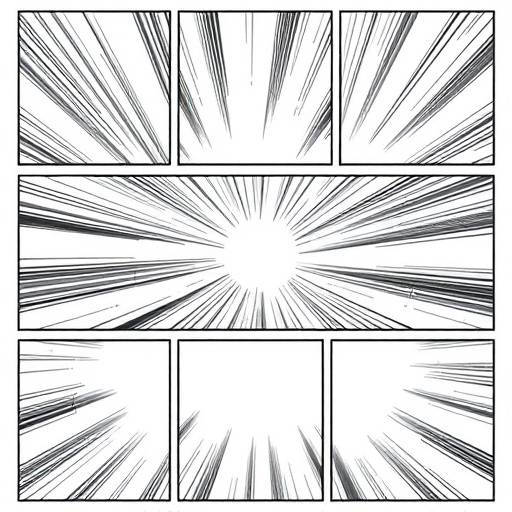
Panel layout is the backbone of comic storytelling. It dictates the pacing, emphasizes specific moments, and guides the reader's eye through the narrative. A well-designed layout enhances the emotional impact of your story and creates a more immersive reading experience. Consider the relationship between panels: sequential panels that naturally flow to the next creating a natural visual conversation on the page.
Explore different panel shapes and sizes to convey varying degrees of importance or action. A larger, full-page panel can depict a climactic event, while smaller, more frequent panels can build suspense or convey a sense of urgency. Mastering panel composition allows you to control the reader's focus and manipulate time within your story.
Our intensive workshops delve deep into panel construction, teaching you how to effectively use gutters (the space between panels), panel borders, and panel shapes to enhance your storytelling.
Character Design and Expression

Compelling characters are the heart of any great comic. Developing memorable characters requires careful consideration of their physical appearance, personality traits, motivations, and backstory. Their design should visually communicate their essence to the reader, even before they speak a single word. Facial expressions are crucial in conveying emotion. A detailed expressions study helps you to understand a character's reaction to the environment around them.
We provide in-depth guidance on character design, covering everything from anatomy and clothing to facial expressions and body language. Learn how to create characters that are both visually appealing and emotionally resonant.
Learn to render a variety of emotions and poses that bring your characters to life and create empathy with your audience. A strong character design helps set the mood of the story you are planning to tell.
Dialogue and Lettering Techniques
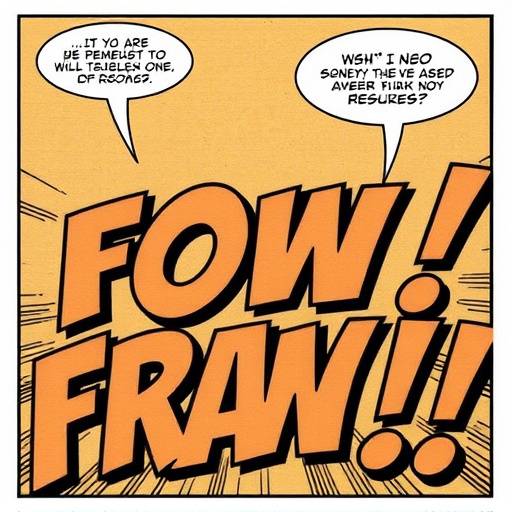
Effective dialogue is essential for moving your story forward, revealing character, and adding depth to your narrative. Dialogue should sound natural and authentic, reflecting the personalities and backgrounds of your characters. The lettering must be clear and legible, and the style should complement the overall tone of the comic. Speech bubble placement is critical for guiding the reader in the correct order.
Explore the fundamentals of dialogue writing, including pacing, subtext, and voice. Learn how to use lettering to enhance the emotional impact of your words and create a visually appealing reading experience. Use different fonts to distinguish characters and even consider color as an option.
Consider how sound effects can be lettered and woven into the environment to further enhance the narrative.
World-Building for Immersive Stories

A compelling comic book world is not just a backdrop, but a character in itself. It should be rich, detailed, and believable, with its own history, culture, and rules. A well-developed world can enhance the emotional impact of your story and create a more immersive reading experience.
Learn the art of world-building, including creating maps, timelines, and character cultures. Discover how to craft a setting that is both unique and believable, adding depth and complexity to your comic narratives. Bring your fictional world to life by weaving in political, economic and social environments that define your fictional setting.
Consider designing landmarks, points of interest and important environments and locations for your world. Use a specific design language that can be woven into clothing, architecture and machinery to create a seamless sense of place.
Color Theory and Application
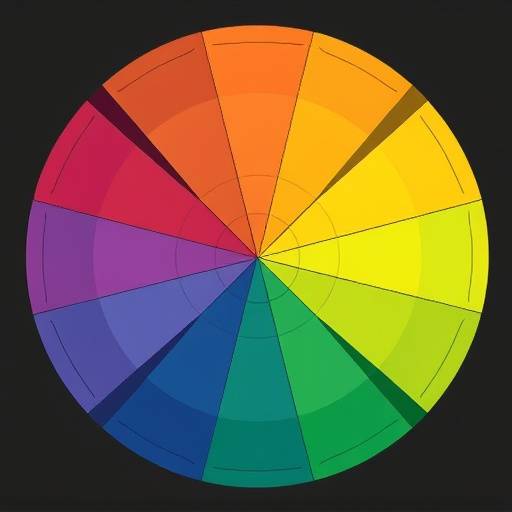
Color plays a vital role in setting the mood, establishing the atmosphere, and guiding the reader's eye. Understanding color theory is essential for creating visually striking and emotionally resonant comics. From vibrant hues to subtle gradients, color can elevate your storytelling to new heights.
Our advanced courses cover color palettes, shading techniques, and color psychology. Learn how to use color to enhance the emotional impact of your scenes, create depth and dimension, and guide the reader's attention to key elements. Learn how to create a strong identity by using a limited color palette that represents the overall mood of your story.